
INDUSTRY SOLUTION
Industrial Facilities
We build network, fiber and security infrastructure for factories, power plants and production facilities in a single project. We design every system around the dust, heat and vibration of the production floor, the distances between buildings and the need to keep production running.
NEEDS
What the industry needs
- 01
Distances exceed the limits of copper.
Production halls, warehouses, the administrative building and field equipment are hundreds of meters, sometimes kilometers, apart. Copper Ethernet cable is limited to 100 meters; over these distances the link must run on a fiber backbone.
- 02
Field conditions wear out office equipment.
Dust, humidity, temperature swings and vibration shorten the life of office-grade switches and cameras. Field devices must be selected for these conditions and protected with suitable enclosures and cabinets.
- 03
If the network stops, production can stop too.
Production tracking software, machines and handheld terminals are connected to the network. A single cable cut or device failure must not stop the line; the network needs a redundant path.
- 04
A large site means large security needs.
The perimeter, loading areas, warehouses and the production line must be monitored, and staff entries must be logged. After a workplace safety incident, it must be possible to retrieve the recording.
SYSTEMS
Systems we recommend
Fiber backbone · industrial network · CCTV
01 · Network & Infrastructure 01 · Network & Infrastructure Network Infrastructure Solutions
A redundant production network with industrial switches in a ring topology, and tidy termination in the racks.02 · Security IP CCTV Systems
Cameras rated for dust and temperature swings for the perimeter, loading areas, warehouses and the production line.02 · Security Access Control Systems
Card access and entry/exit logs for staff entrances, production areas and warehouses.04 · Data Center & Cloud Data Center Services
A cooled and monitored server room or rack, kept away from dust, for production and ERP servers.04 · Data Center & Cloud UPS Systems
Keeps the network, servers and security systems running through short outages and grid fluctuations.
APPROACH
How we work without stopping production
Most industrial projects are carried out while the facility is in production. We fit cable pulling and termination into the shift and maintenance schedule, and on critical links we do not cut the old line until the new one has been tested and commissioned. At Aktifsel Energy we installed the 65 km fiber line by cable blowing through HDPE ducts between the turbines. At Aksa Runflat and Nanografi Dynamics we terminated and commissioned the data lines.
Our projects in this industry
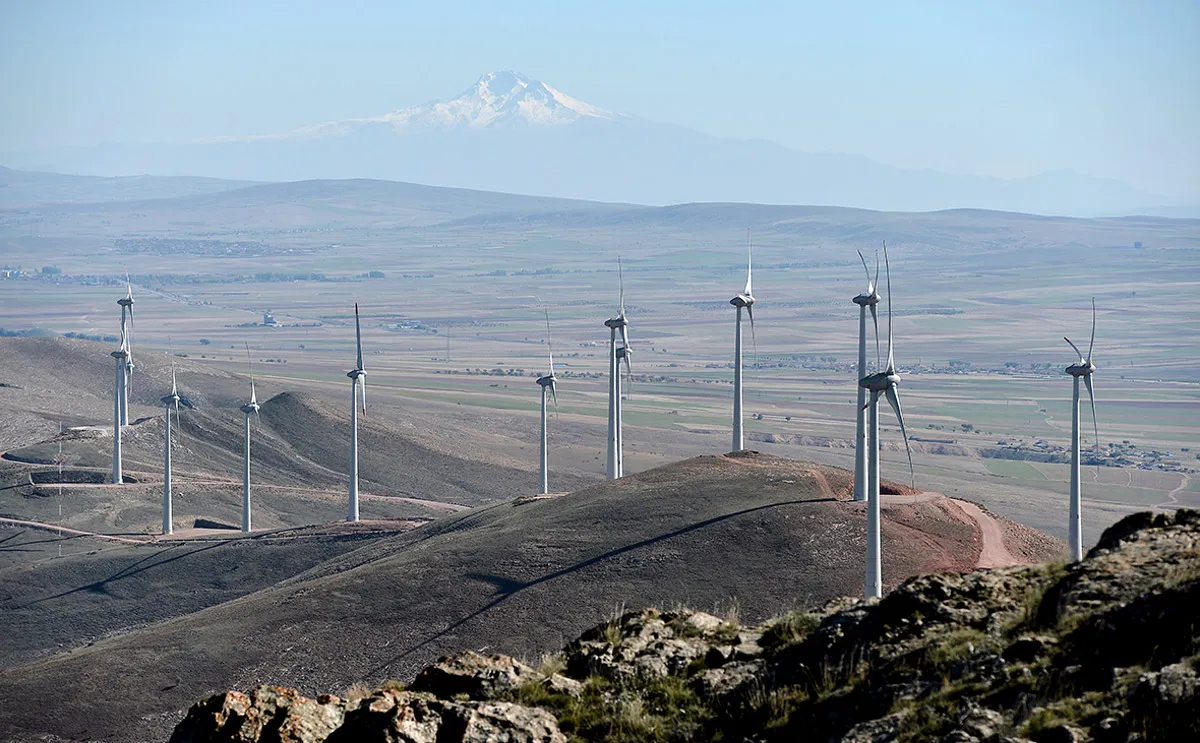
Aktifsel Energy
Blowing a 65 km fiber optic communication line through HDPE duct between the güriş wind turbines in balli village, sandikli, afyon, and terminating and splicing it at 70 points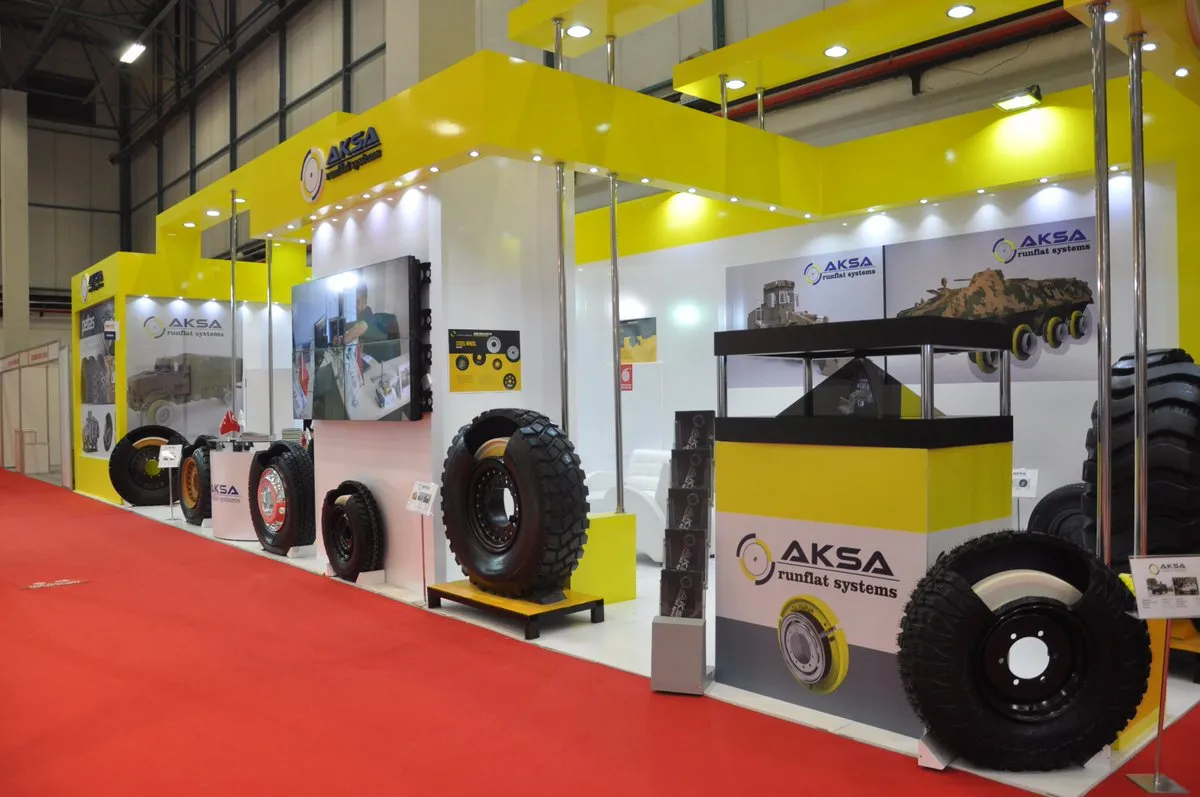
Aksa Runflat
Data termination, reorganization and commissioning works
Nanografi Dynamics
Data cabling, infrastructure termination and commissioning works
FAQ
Frequently asked questions
Why use industrial switches in a factory?
Industrial switches are designed to work across a wide temperature range in dusty, vibrating environments. Most are fanless, mount on a DIN rail and offer dual power inputs. Office-grade switches fail more often in these conditions.
What does a ring topology do for a production network?
It keeps the network running when a cable or a switch fails. The switches are connected in a ring; if one link breaks, traffic flows the other way around the ring. Ring protocols make this switchover very quickly, so the production line often does not notice the interruption.
Should a factory use fiber or copper cable?
Fiber is used between buildings and for links longer than 100 meters, and copper for the last link to the device. Fiber is immune to electrical interference, so it is also preferred in areas with many motors and drives. The last meters to PoE-powered cameras and access points usually stay copper.
How do you build the network for a factory camera system?
Cameras should run in a network segment (VLAN) separate from the production network, on their own PoE switches. We carry cameras at remote points to the recording server over the fiber backbone. We size recording capacity for the number of cameras, the resolution and the retention period.