
INDUSTRY SOLUTION
Sports Complexes
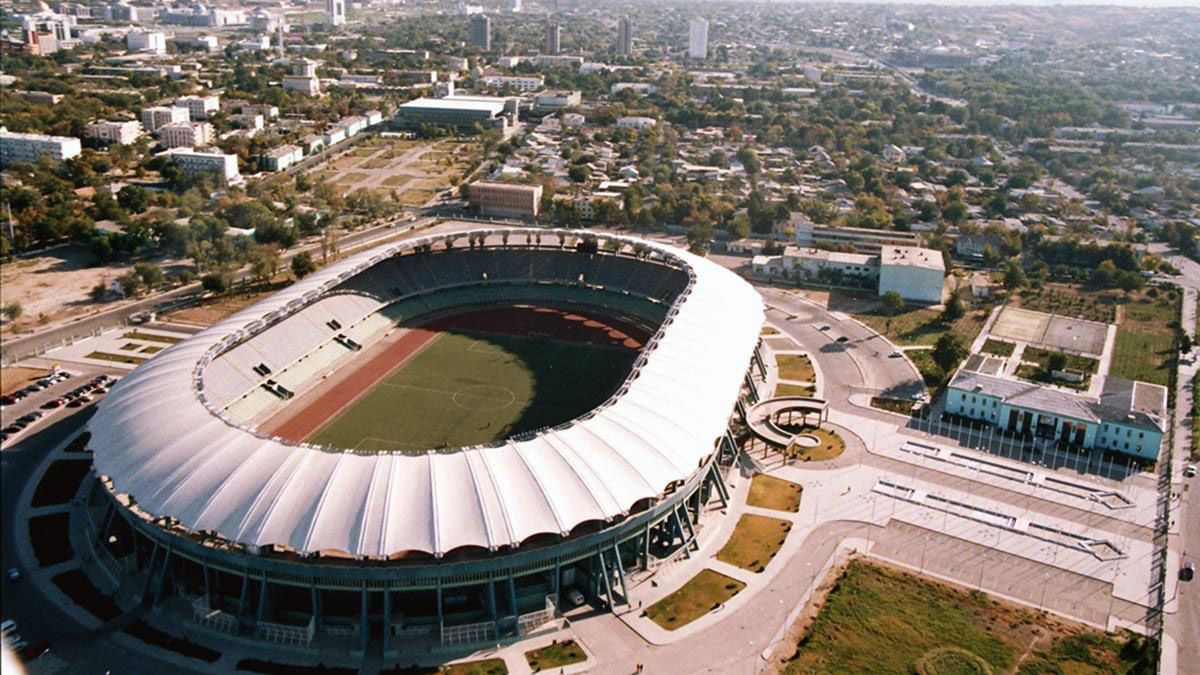
We build LED display, turnstile, camera and public address systems for stadiums, sports halls and sports complexes in a single project. We design every system around crowds that enter and leave within a short time on match day, and around the venue’s other uses on non-match days.
NEEDS
What the industry needs
- 01
Thousands of people must get in quickly.
Most spectators arrive shortly before the match starts. Turnstiles must validate tickets fast, queues must not build up outside, and invalid or reused tickets must not get in.
- 02
Every part of the stands must be visible.
The security unit must watch the stands, entrances and perimeter live and be able to identify a person from the video during an incident. This requires high-resolution cameras and the right angles. Recordings must be quick to find during post-incident review.
- 03
The display informs and entertains.
Score, time, replays and sponsor content are shown on displays. An outdoor display must be readable in the sun and withstand wind and rain. Content must be managed from the control room without disrupting the flow of the match.
- 04
Announcements must reach every stand.
In an echoing, noisy stadium, keeping announcements intelligible is hard. In an emergency, evacuation instructions must reach every section clearly. The public address system must work together with fire and emergency scenarios.
SYSTEMS
Systems we recommend
LED display · turnstiles · CCTV
05 · Smart Building & Communication 05 · Smart Building & Communication Scoreboard
A scoreboard that shows score, time and match information, linked to the control console and the giant screen.02 · Security Access Control Systems
Turnstiles that validate e-tickets; separate access rights for staff, athlete and press areas.02 · Security IP CCTV Systems
High-resolution cameras for the stands, entrances and perimeter, with central monitoring from the security control room.05 · Smart Building & Communication Public Address and Voice Alarm
Announcements zoned by stand that stay intelligible in noise, and evacuation messages in an emergency.01 · Network & Infrastructure Network Planning
Wi-Fi and access point placement in the stands and press areas based on the number of users connecting at once.
APPROACH
Planning installation around the match calendar
In sports venues, the work depends on the season and the match calendar. Installation is scheduled outside match and event days, and the display, turnstile and public address systems are tested section by section. For outdoor displays, the support structure, cable routes and control room are planned together with the display. The systems are trialled in a real-use scenario before the venue’s first match.
Our projects in this industry
FAQ
Frequently asked questions
How do stadium turnstiles and e-ticketing work?
The spectator scans an e-ticket or card at the turnstile reader; the system validates the ticket and opens the turnstile if it is valid. A used ticket becomes invalid instantly, so a second entry with the same ticket is not possible. The link between the turnstiles and the ticketing system must not drop, so the network and power are installed with redundancy.
How are a scoreboard and an LED display installed?
First, the display size and pixel pitch are set according to the viewing distance. Then the support structure, power and signal cables and the control room are planned. After the modules are mounted, color and brightness are calibrated and the links to the scoring and broadcast systems are tested.
How does access control work in sports halls?
Membership-based venues use turnstiles that open with a card, QR code or wristband. The system checks the membership period and denies entry with an expired card. Separate access rights can be set for changing rooms, the pool and staff areas.
How is Wi-Fi planned for crowded stands?
In the stands, the real issue is not coverage but the number of users connecting at once. So many access points with directional antennas are spread across the stand sections, and the area each one serves is kept small. We set the placement during the site survey based on the seating layout and the expected number of users.