Language: EN

06 · CONSULTING & SUPPORT

Maintenance and Support

Maintenance and support is a contracted service that keeps installed low-voltage (ELV) and network systems running through scheduled checks and responds when faults occur. We bring your camera, fire detection, access control, network and power systems into one maintenance plan and act as your single point of contact when something goes wrong.

WHAT IT DELIVERS

What it adds to your building

  • 01

    Faults are caught before they happen.

    Disk health, battery condition, detector tests and log reviews are done on a schedule. Most problems are found during maintenance, before the system stops.

  • 02

    You know who to call.

    You do not call a different company for cameras, network and fire. We are your single point of contact for every system.

  • 03

    Your system is on record.

    Which device is where, on which software version, and when does its warranty end? The inventory and the report of every maintenance visit keep these answers in one place.

  • 04

    Aging systems are planned for.

    Aging devices and support periods that are ending show up in the inventory in advance. You plan replacements around your budget, not around an emergency.

SCOPE

What is included?

Systems and tasks we cover under a maintenance contract:

  • IP CCTV: camera cleaning, angle check, recording test, disk health
  • Fire detection: detector and manual call point tests, panel and battery checks
  • Access control: card reader, lock, turnstile and software checks
  • Network: checks of switches, firewalls and wireless access points, software updates
  • Structured cabling and rack organization
  • UPS: battery test, load and alarm checks
  • Server room: temperature, humidity and environmental monitoring checks
  • Fault response, parts replacement and remote support
  • Tracking of warranty, vendor support and license expiry dates
  • A maintenance report after every visit

PROCESS

How we build it

  1. Condition assessment

    We inspect your systems on site and record the device inventory and existing faults. We start here for systems installed by another company too.

  2. Maintenance plan

    We set how often each system is serviced and which checks are done, based on the type of system and the manufacturer’s recommendations.

  3. Contract

    The contract states the scope, the visit schedule, how faults are reported and how parts replacement is handled.

  4. Scheduled maintenance and response

    We carry out planned visits and respond to faults on site or remotely. From our base in Ankara, we work at facilities across Türkiye.

  5. Reporting

    After every maintenance visit we share a report of the work done, findings and recommendations.

TECHNICAL NOTES

What we look at in the design

Scheduled maintenance and fault response are different

Scheduled maintenance is a planned check done while the system is running; its purpose is to prevent faults. Fault response happens when something has stopped. A company that is only called for faults has to learn the system from scratch every time. A maintenance contract combines both in the same team and the same records.


Systems taken over

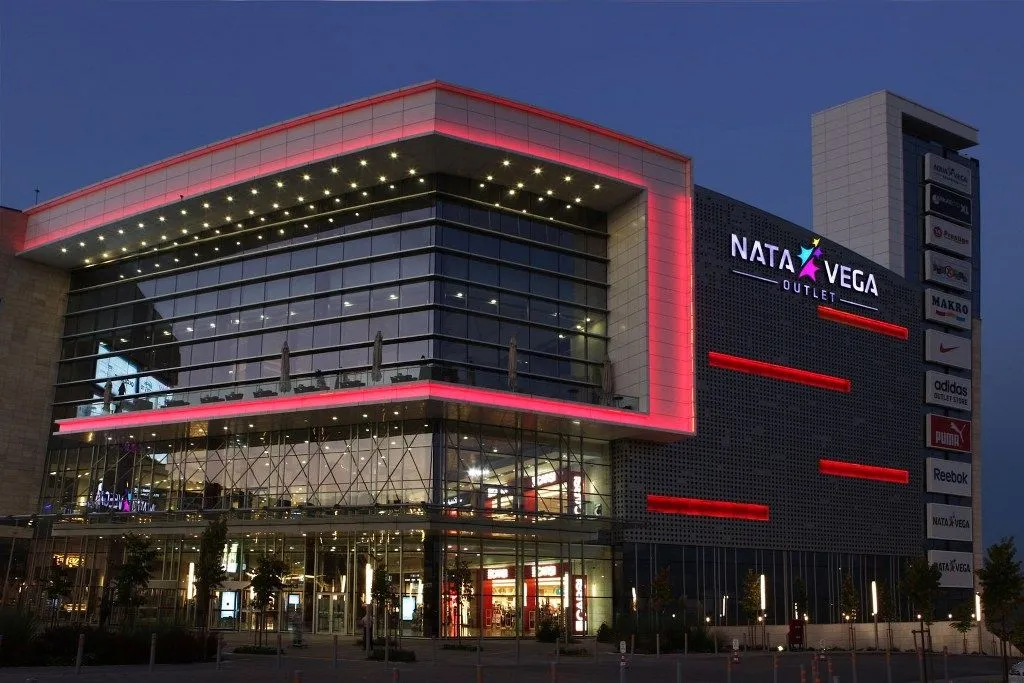
Maintenance does not always start with a newly installed system. At Nata Vega Mall, we took over the existing Pelco camera system running on site and began responding to its faults; on the same project we also installed and reconfigured the active devices on the 2,500-point network. With a system taken over, the first task is inventory and documentation: a system without drawings and a device list cannot be maintained properly. Missing documents are completed at this stage, and later maintenance runs from these records.

Life safety systems

For life safety systems such as fire detection, maintenance frequency and test scope are set by the applicable regulations and the manufacturer’s instructions. We record test results and help you keep them in a form that can be presented at inspections.

LAYER

Part of the Consulting & Support layer

This service sits on layer 6 of the building and is designed together with the other systems on that layer.

Services on the same layer

BRANDS

Brands we work with

  • Cisco
  • Juniper Networks
  • Huawei
  • Extreme Networks
  • Ubiquiti
  • Planet
  • Netgate
  • Vertiv
  • Eaton
  • Tescom
  • Vutlan
  • Enetek Power

FAQ

Frequently asked questions

How often should low-voltage systems be maintained?

It depends on the type of system, how heavily it is used and the manufacturer’s recommendations. For many systems, one or two scheduled maintenance visits a year are common. For life safety systems such as fire detection, the applicable regulations and manufacturer instructions apply.

What does a maintenance contract cover?

We define the scope together. It usually includes scheduled maintenance visits, fault response, software updates, inventory tracking and maintenance reports. The contract states clearly which systems are included and how parts replacement is handled.

What is the difference between preventive maintenance and fault response?

Scheduled (preventive) maintenance is planned and aims to prevent faults; fault response happens when the system has stopped. Regular maintenance reduces unplanned faults and the time the system is down.

Do you maintain systems installed by another company?

Yes. We first record the system’s inventory and current condition, then prepare the maintenance plan.

Are warranty and license renewals for network devices part of maintenance?

They can be included in the scope. In that case, the warranty, vendor support and license expiry dates of your devices are kept in the inventory, and renewals are planned before they are due. The licenses and products needed for renewal can also be supplied.

Let’s start with a condition assessment to see where your systems stand today.