
INDUSTRY SOLUTION
Hotels
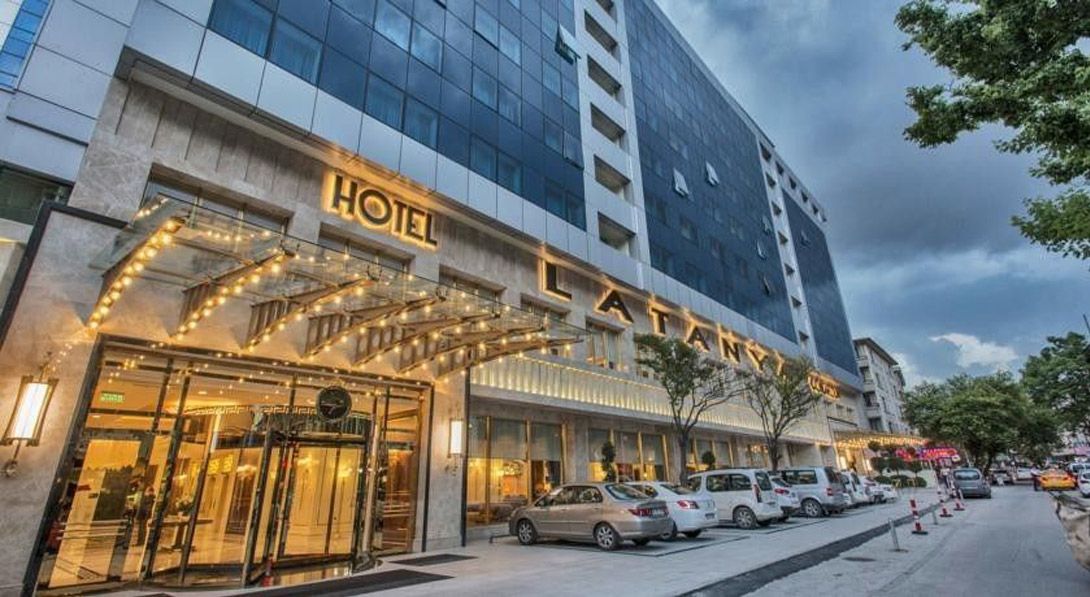
We build the low-voltage (ELV) and IT infrastructure of hotels in a single project: from guest Wi-Fi and the IP PBX to cameras and backup. We design every system around the guest experience in rooms and common areas, and around a hotel that never closes.
NEEDS
What the industry needs
- 01
Wi-Fi must work in every room.
A guest’s first complaint about a hotel is often the Wi-Fi. The signal from access points placed in the corridor weakens as it passes through doors and walls, and the connection slows down in the evening.
- 02
The phone is still a hotel’s working tool.
Reception, room service, wake-up calls and housekeeping all run on the phone. When the PBX talks to the property management system (PMS), it makes both staff work and billing easier.
- 03
Common areas open, staff areas closed.
The lobby, parking and entrances must be monitored; only authorized staff should enter the kitchen, storerooms and technical rooms. This has to be done without disturbing guests.
- 04
Reservation data must not be lost.
Reservation, accounting and guest records sit on the hotel’s servers. After a failure or a ransomware attack, this data must be recoverable from backup.
SYSTEMS
Systems we recommend
Guest Wi-Fi · IP PBX · IPTV
01 · Network & Infrastructure 05 · Smart Building & Communication IP PBX Systems
An IP PBX that can integrate with the property management system (PMS), for room phones, reception and housekeeping.05 · Smart Building & Communication IPTV Systems
The hotel’s own channel list, welcome screen and announcements on room TVs, over the existing IP network.02 · Security IP CCTV Systems
Monitoring of the lobby, entrances and exits, parking and staff corridors; no cameras in guest rooms or private areas.02 · Security Access Control Systems
Role-based card access for the kitchen, storerooms, technical rooms and staff areas.04 · Data Center & Cloud Cloud Storage
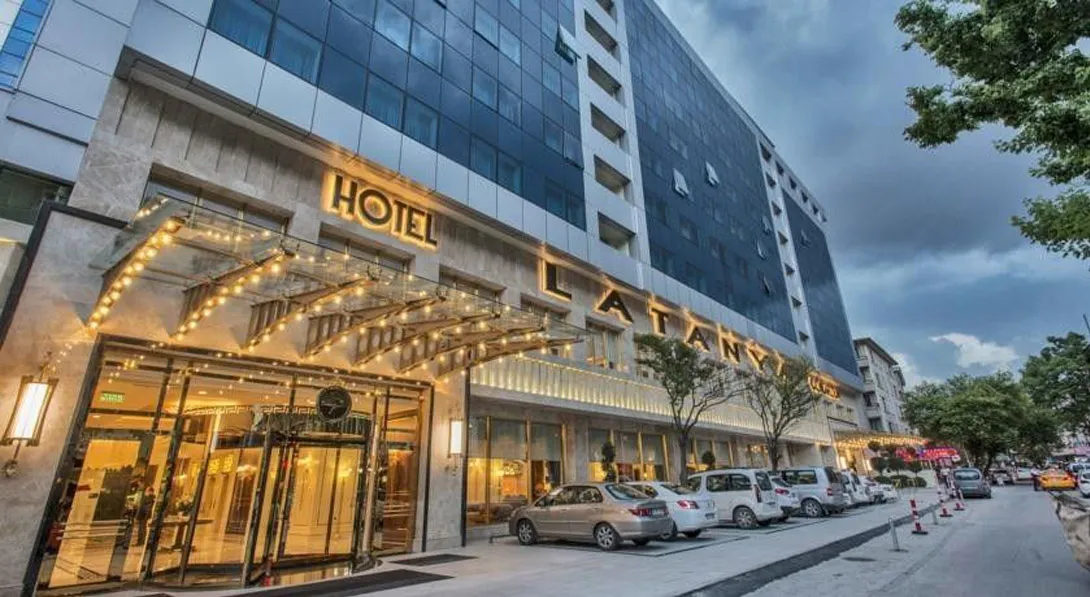
Regular backup of reservation and accounting data; at Latanya Hotels we installed and configured Arcserve backup software.
APPROACH
Planning installation in an occupied hotel
A hotel keeps hosting guests during the installation. So the work is planned floor by floor, and in-room work is fitted into vacant rooms and time slots agreed with hotel management. Before Wi-Fi is installed, measurements are taken in a sample room and access point positions are chosen based on the walls and furniture layout. On the PBX and the network, the old system is not switched off until the new one has been tested.
Our projects in this industry
FAQ
Frequently asked questions
How is hotel Wi-Fi infrastructure installed?
First, we measure the signal needs of rooms, corridors and common areas on site. Then we place access points inside the rooms where possible, or close to them, and connect each one to the wired backbone. Guest login, per-user speed limits and device management are handled from a single control point.
Why is Wi-Fi weak in hotel rooms?
The most common reason is access points installed in the corridor. The signal weakens as it passes through doors, concrete walls, bathrooms and furniture. The fix is usually not a more powerful device but the right placement that brings the device closer to the room.
Why should guest and staff Wi-Fi networks be separated?
They should be separated for security and performance. Guest devices must not reach the hotel’s reservation, payment and camera systems. We keep guest, staff and hotel systems in separate network segments (VLANs) and apply separate access rules to each.
Can a hotel PBX be integrated with the PMS?
Yes, most IP PBXs support integration with property management systems (PMS). The room phone is enabled at check-in, call charges are posted to the guest’s bill and wake-up calls run automatically. The scope of the integration depends on the interface supported by the PBX and the PMS.
Does IPTV need a separate infrastructure?
Usually not; IPTV is streamed over the hotel’s IP network. For this, the switches must support multicast, IPTV traffic must be kept in a separate network segment and bandwidth must be planned for the number of channels.