
INDUSTRY SOLUTION
Shopping Malls
We build the security, fire and IT infrastructure of shopping malls in a single project: from cameras to fire detection, from public address to facade LED displays and visitor Wi-Fi. We design every system for the safety of a building with thousands of visitors inside at once, and for management from a single control room.
NEEDS
What the industry needs
- 01
The crowd must be visible at all times.
Entrances, corridors, escalators and parking levels must be monitored at the same time. The security team needs to spot an incident on live video, not after the fact in a recording.
- 02
In a fire, everyone must head the right way.
When a fire is detected, the music must stop and the right message must reach the right zone. If detection, public address and evacuation do not work together, the crowd heads for the wrong exit.
- 03
The facade is a communication tool too.
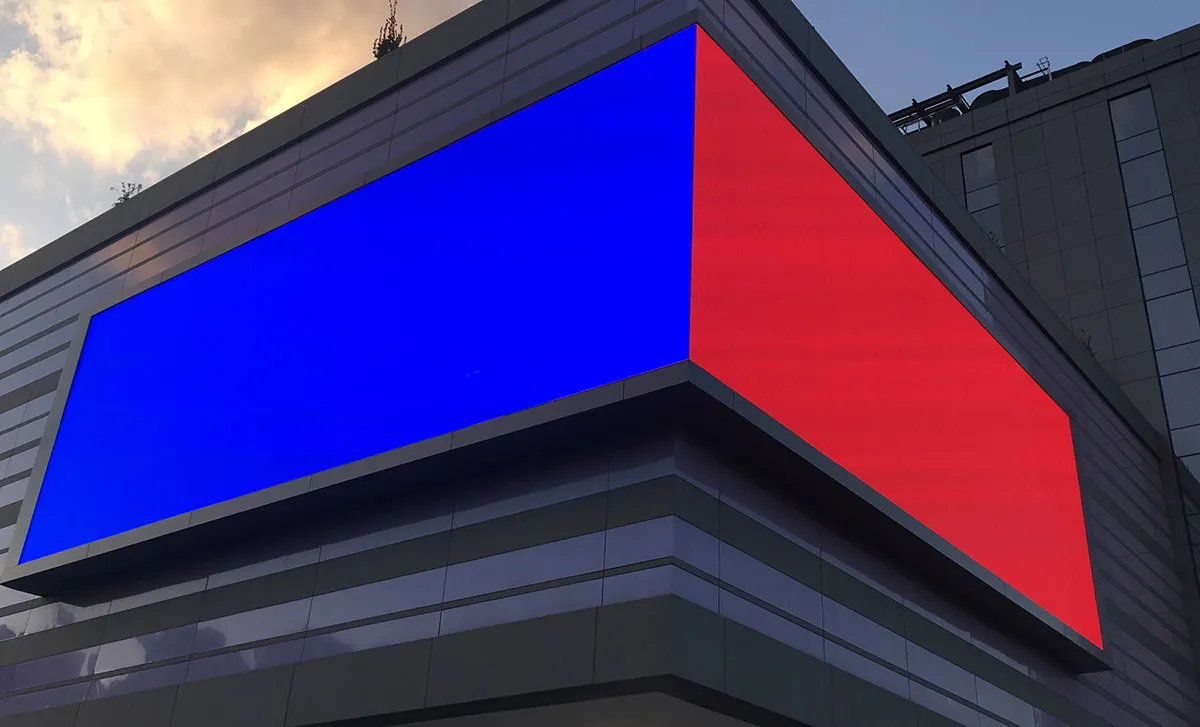
Campaigns, events and wayfinding are shown on displays. Outdoor LED displays must withstand sun, rain and wind, and their content must be managed centrally.
- 04
Every system uses the same network.
The management office, cameras, displays, the parking system and visitor Wi-Fi all connect to the network in the same building. This traffic must be kept separate, and a single failure must not affect the whole building.
SYSTEMS
Systems we recommend
CCTV · LED display · fire and public address
02 · Security 03 · Fire & Early Warning Fire Detection and Early Warning Systems
Early detection in large, high-ceiling spaces; the alarm works together with the public address and evacuation scenario.05 · Smart Building & Communication Public Address and Voice Alarm
Zoned music and announcements, automatic evacuation messages in a fire; at Aqua Vega we installed a 5-zone sound system.05 · Smart Building & Communication LED Display Applications
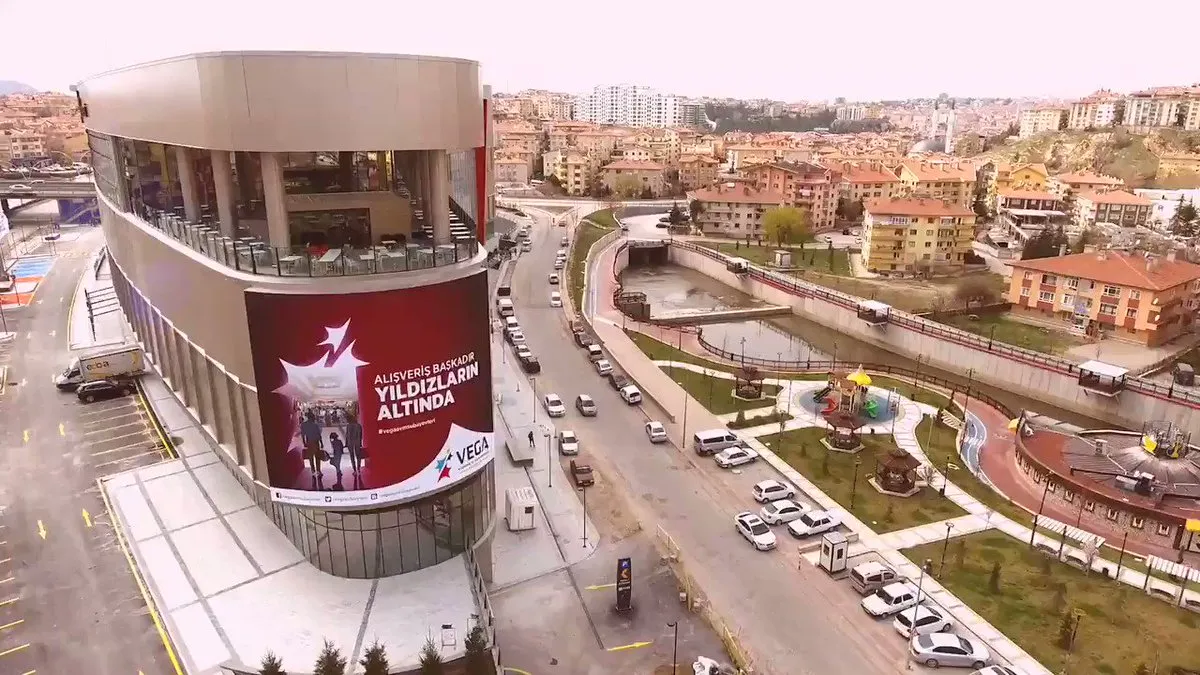
Facade and indoor displays for campaigns and wayfinding; in the Vega Mall projects we installed 200 m² outdoor LED displays.01 · Network & Infrastructure Network Infrastructure Solutions
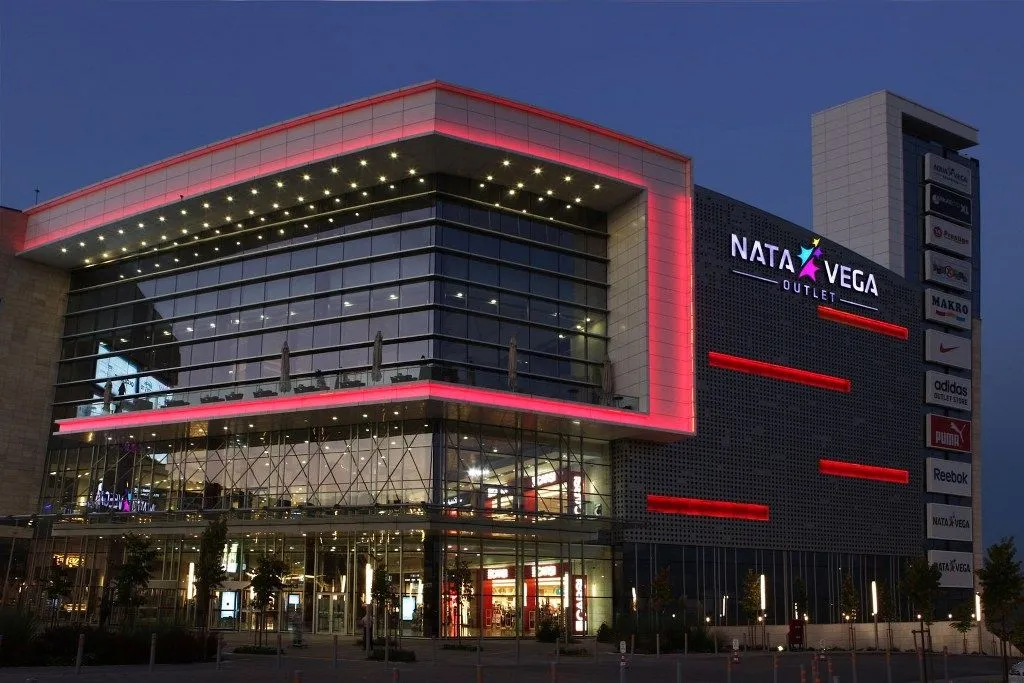
A backbone that separates camera, display, management and visitor traffic; at Nata Vega Mall we installed and reconfigured the active devices of a 2,500-point network.06 · Consulting & Support Maintenance and Support
Periodic maintenance of installed systems and a single point of contact for faults; at Nata Vega Mall we took over the existing camera system and handled its faults.
APPROACH
How we work in an open mall
Malls keep hosting visitors during the installation. We schedule work that requires opening ceilings or makes noise after store closing hours, and work in parking and technical areas at off-peak times. When we take over an existing system, we first take an inventory and fix its faults, then move on to expansion. Before commissioning, the fire, public address and camera scenarios are tested together with the operations and security teams.
Our projects in this industry
FAQ
Frequently asked questions
What are shopping mall security systems?
They mainly consist of cameras (CCTV), access control, fire detection, public address and parking systems. License plate recognition and people counting can be added. The real value comes from monitoring these systems from a single point in the security control room.
How many security cameras does a shopping mall need?
There is no fixed number; it depends on the floor area, the number of entrances and the layout of floors and parking. During the site survey we plan every entrance, corridor and parking ramp with no blind spots and choose each camera type for its task. We size recording capacity together with the camera count and the retention period.
How do fire detection and public address work together in a mall?
When the fire alarm control panel goes into alarm, it sends a signal to the public address system; music and advertising stop and a pre-recorded evacuation message plays in the affected zones. Which zone is evacuated in which order is defined in advance. This scenario is tested zone by zone before commissioning.
Is parking license plate recognition KVKK compliant?
Compliance depends on how the system is installed and operated. A license plate must be treated as personal data because it can be linked to the vehicle owner. Visitor notices, the retention period and access rights are set in the mall’s KVKK (Turkish Personal Data Protection Law No. 6698) policy, and the system’s access and retention settings follow these rules. The legal assessment remains with the operator.
How is visitor Wi-Fi managed in a mall?
Visitor Wi-Fi must run on a network separate from the management and security systems. Login usually goes through a captive portal, with a per-user speed limit. Public internet access may come with legal logging requirements, so log management must be planned from the start.