Language: EN

01 · NETWORK & INFRASTRUCTURE

Fiber Optic Technologies

Fiber optic cabling is an infrastructure service that uses glass-fiber cables carrying data as light signals to build high-speed links between buildings, floors and remote points. We pull the cable, fusion splice it, terminate it and hand it over with every fiber OTDR tested and reported.

WHAT IT DELIVERS

What it adds to your building

  • 01

    Distance stops being a problem.

    Copper cable ends at 100 meters. Fiber carries the same speed between buildings, across a campus or over sites many kilometers long.

  • 02

    Immune to electrical interference.

    Because it works with light, fiber is not affected by interference from power lines, motors or lightning. At factories and energy sites, this difference shows directly in the number of faults.

  • 03

    Every fiber tested and on record.

    At handover you have the OTDR report and loss values for every fiber. If a break occurs years later, its location is found by comparing with these records.

  • 04

    Capacity that lasts for years.

    A well-chosen fiber link can be moved to higher speeds by replacing the end devices. You do not need to pull new cable.

SCOPE

What is included?

What we do in a fiber optic project:

  • Route survey: in-building, building-to-building and site routes
  • Single-mode and multimode fiber cable installation; choice of indoor, outdoor and armored cable
  • Cable blowing through HDPE duct and microduct
  • Fusion splicing, splice boxes and splice closures
  • Termination: ODF (optical distribution frame), pigtails and patch cords
  • OTDR and optical power testing, test report per fiber
  • Fault location and repair of cut or damaged fiber links
  • Supply of fiber patch cables, connectors and passive fiber products

PROCESS

How we build it

  1. Route survey

    We inspect the route on site: the condition of ducts and conduits, crossing points, splice locations and the racks at each end.

  2. Link and cable design

    Based on distance and speed, we choose the fiber type, fiber count, cable construction and splice points, and calculate the loss budget.

  3. Installation

    We pull the cable through ducts, conduits or trays; on long site routes we use cable blowing.

  4. Splicing and termination

    We fusion splice the fibers and terminate them in splice boxes and ODF panels.

  5. Testing and reporting

    We test every fiber with an OTDR and a power meter, report the results by fiber number and hand them over.

TECHNICAL NOTES

What we look at in the design

Single-mode or multimode?

Multimode fiber (OM3, OM4) is cost-effective over short distances, inside buildings and in data centers; at 10 Gbit/s and above it is limited to a few hundred meters. Single-mode fiber (OS2) covers many kilometers and is the standard choice for links between buildings. On campus and site projects we usually recommend single-mode, because it leaves room to increase speed later.

Fusion splicing and the loss budget

In fusion splicing, the fiber coating is stripped, the end is cleaned and cut flat with a precision cleaver, and the two fibers are melted together with an electric arc. The splice is covered with a protective sleeve. Every splice and connector adds a small loss to the link. When we design a link, we keep the total of these losses below the limit the end devices can accept.

What does an OTDR show?

An OTDR is a test instrument that sends light pulses into the link and measures the light reflected back. The result is a trace that shows the location and loss of every splice, connector and break, accurate to the meter. Optical power testing gives the total loss of the link; the OTDR shows where the loss occurs. We report both together at handover.

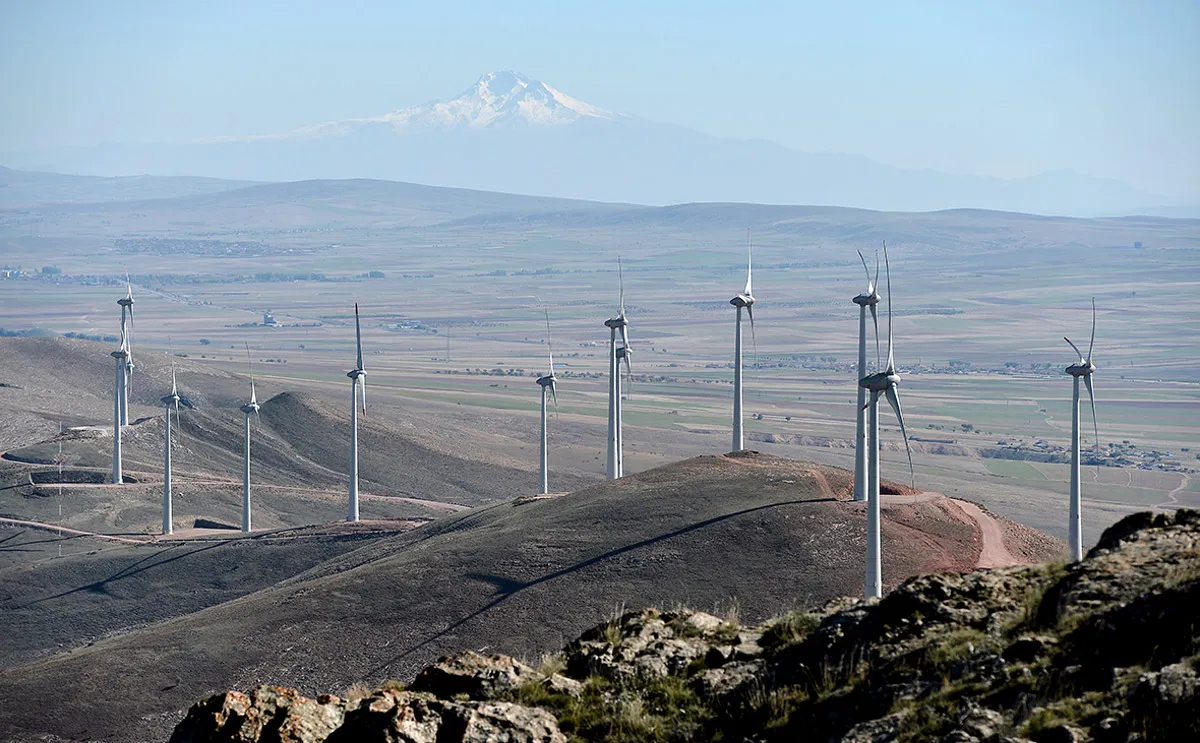
We use the same method on long site routes. At a wind farm in Sandıklı, Afyon, we installed the 65 km fiber optic communication line between the turbines by blowing the cable through HDPE duct, and spliced and terminated it at 70 points. From our base in Ankara, we work on in-building, campus and site routes across Türkiye.

LAYER

Part of the Network & Infrastructure layer

This service sits on layer 1 of the building and is designed together with the other systems on that layer.

Services on the same layer

BRANDS

Brands we work with

  • Fujikura
  • Fluke Networks

FAQ

Frequently asked questions

How is the cost of fiber optic cable installation calculated?

The price is set by the route length, fiber count and cable type, the installation method and the number of splice and termination points. Whether ducts or conduits are already in place is the item that changes the cost most. We give a quote after the route survey, with quantities and a bill of materials.

How is fiber fusion splicing done?

Two fibers are permanently joined by melting them with an electric arc in a fusion splicer. Before that, the fibers are stripped, cleaned and precisely cleaved. The splice is covered with a protective sleeve and placed in a splice box; then the link is tested.

What is an OTDR test and what is it used for?

An OTDR test shows the length of a fiber link, the splice and connector losses and, if there is one, the location of a break. At handover it proves the link was installed correctly. When a fault occurs, it shows at which meter the break is.

What is the difference between single-mode and multimode fiber?

Single-mode fiber carries light along a single path in a thin core and suits distances of many kilometers. Multimode fiber has a thicker core and is used over short distances, inside buildings and in data centers. The choice depends on distance, speed and end devices.

How do you connect two buildings with fiber?

An outdoor fiber cable is pulled between the buildings through an underground conduit or another suitable route. The cable is terminated in ODF panels at both ends and connected to the switches. Even when the distance is short, we usually recommend single-mode fiber for this.

Let’s plan your fiber link with a route survey.